

We live in an era where AI can generate text, images, videos, and voices so convincingly that the line between real and fabricated is blurring fast. Deepfakes, synthetic profiles, AI-written “articles,” and hyper-realistic scams are no longer rare—they’re flooding feeds, inboxes, and conversations.
It’s easy to feel overwhelmed, cynical, or even paranoid: “If everything could be fake, why trust anything?” But that reaction, while understandable, can harm us more than the fakes themselves.
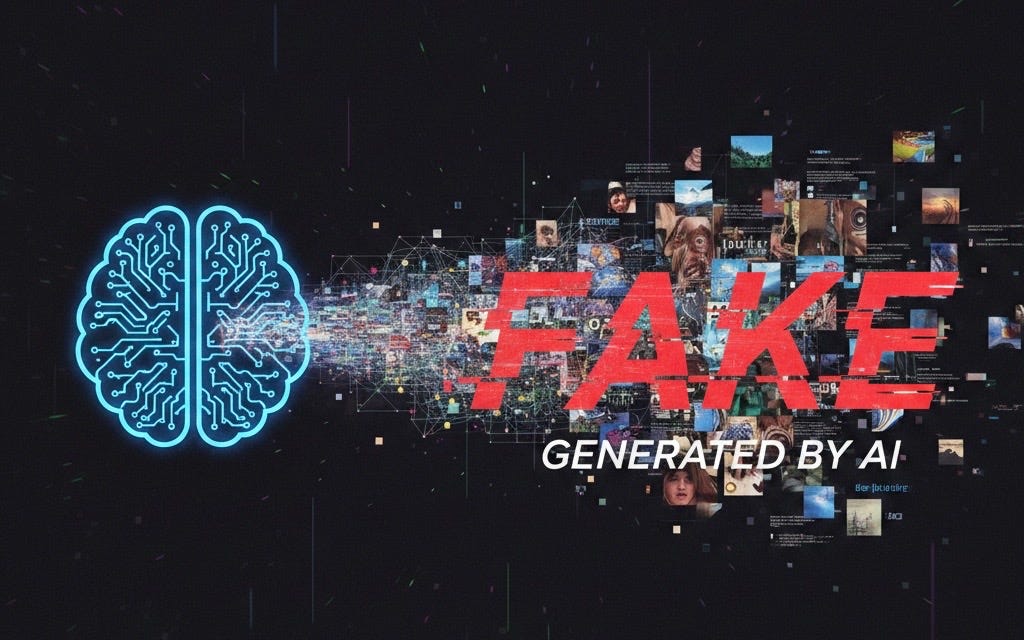
A healthier mindset looks like this:
• Stay curious, not cynical. Question content thoughtfully instead of dismissing everything outright. Healthy skepticism sharpens your radar without shutting down openness to new ideas.
• Prioritize your trusted sources and signals. Build a small circle of reliable voices—people, publications, or institutions with consistent track records. When something feels off, cross-check there first.
• Focus on what AI can’t replicate (yet). Personal experience, emotional nuance, lived context, and genuine human vulnerability remain hard to fake convincingly at scale. Lean into content that feels unmistakably human—imperfect, specific, and rooted in real life.
• Protect your attention and mental energy. You don’t need to fact-check every post. Decide what deserves your scrutiny and let the rest pass. Constant vigilance is exhausting; selective attention is sustainable.
• Use AI as a tool, not a truth oracle. Let it help with drafts, research, or brainstorming—but always run the output through your own judgment and values.
The real risk isn’t just fake content; it’s letting it erode our ability to connect, learn, and trust wisely. By staying grounded in human signals, practicing calm discernment, and refusing to outsource our thinking, we can thrive even as the synthetic world grows louder.
What keeps you anchored in this new reality? I’d love to hear in the comments.