

Artificial intelligence (AI) emerged with grand promises: a technological panacea that could uplift humanity by eradicating diseases, alleviating poverty in the Global South, and fostering equitable global progress. Visionaries like Ray Kurzweil and organizations such as the United Nations touted AI’s potential to revolutionize healthcare, agriculture, and education, potentially lifting millions out of destitution. Yet, reality has diverged sharply from this utopian vision. Instead of prioritizing solutions for humanity’s most pressing needs, AI has been co-opted for mass surveillance, bolstering authoritarian regimes, enriching corporations at the expense of ethics, and wreaking environmental havoc—all while amplifying propaganda through social media. Despite isolated successes—Billions poured into AI by tech giants prioritize profit over philanthropy, leaving the Global South’s 600 million extreme poor with sporadic pilots rather than systemic change. We are on a disheartening trajectory—one that could plunge the world into prolonged economic turmoil and devastating wars, reshaping borders and alliances for generations.
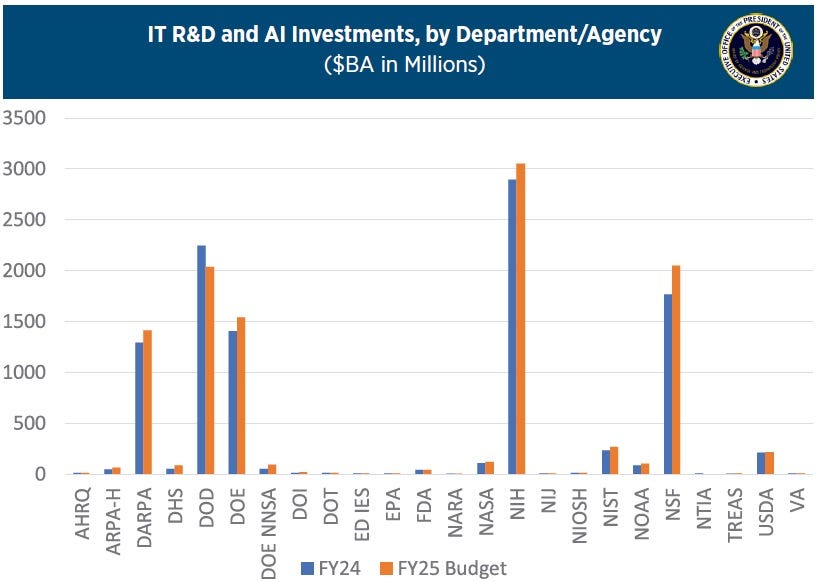
Rather than healing, AI has been weaponized for surveillance and control, enabling unprecedented monitoring that erodes privacy and freedom. In China, the government deploys AI-powered facial recognition across over half a billion cameras to track citizens, particularly in regions like Xinjiang, where it’s used to oppress Uyghur minorities through predictive policing and mass detention. This system analyzes movements, relationships, and behaviors in real-time, creating a dystopian “social credit” score that punishes dissent. Similarly, Russia employs AI surveillance to identify and detain anti-government protesters, as seen in 2021 when facial recognition tracked participants in anti-Putin rallies. Even in democracies, AI fuels mass surveillance: The U.S. mirrors this through Palantir’s Gotham and Foundry platforms, which fuse phone records, financial data, social media, DMV files, and police reports into detailed profiles for tracking movements, mapping networks, and flagging what the current authoritarian government sees as “threats”—expanding domestically via ICE’s reliance on Palantir for immigration enforcement, including a $30 million 2025 contract to build “ImmigrationOS,” an AI system offering near real-time broader citizen monitoring.
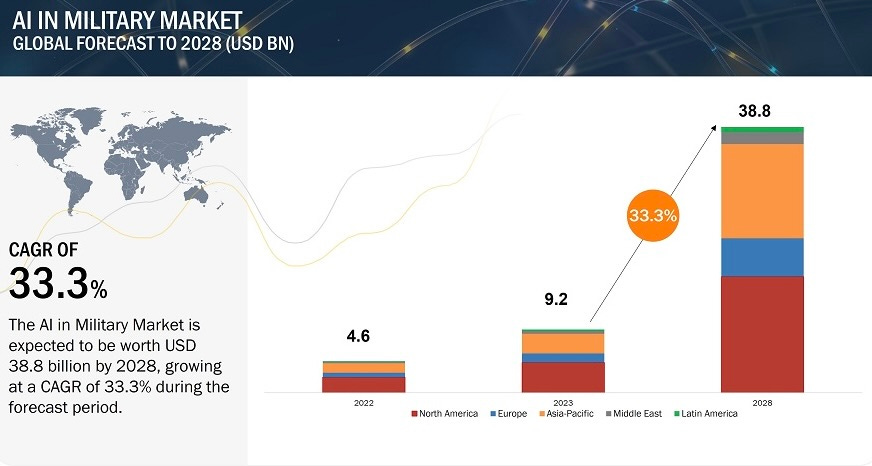
Compounding this is AI’s role in filling corporate coffers through unethical practices, often at the public’s expense. Tech behemoths like Meta and Google build massive data centers that consume enormous resources, driving up energy costs and environmental degradation. By 2030, AI data centers could emit 24-44 million metric tons of CO2 annually—equivalent to adding 5-10 million cars to roads—and drain water equal to the annual usage of 6-10 million Americans. In regions like Texas, these centers already guzzle 49 billion gallons of water yearly, straining local supplies and increasing utility bills for citizens instead of lowering them as initially promised. Politicians, influenced by corporate lobbying, often greenlight these projects with tax breaks, funneling public funds to private profits. Meanwhile, AI’s environmental toll disproportionately affects the Global South, where climate-vulnerable communities bear the brunt of rising emissions without reaping benefits.
Finally, AI has supercharged propaganda on social media, manipulating public opinion and sowing division. Russia’s 2024 bot farm, disrupted by the U.S. Department of Justice, used AI to create over 1,000 fake American profiles spreading pro-Russian narratives on Ukraine, amplifying disinformation across platforms. In elections, AI-generated images and deepfakes proliferate: During the 2024 U.S. campaign, fabricated visuals of candidates or crowds at rallies fueled misinformation. China-linked operations like Spamouflage deploy AI influencers to post divisive videos on X and YouTube, while Venezuelan state media uses AI anchors to broadcast pro-government messages. These tactics, often undetectable, erode trust and polarize societies, all in service of authoritarian agendas or corporate algorithms designed to maximize engagement—and ad revenue.
In conclusion, AI’s trajectory reveals a profound failure of priorities: instead of solving diseases or enriching the impoverished Global South, it has become a instrument of surveillance, authoritarianism, and exploitation. While pockets of positive impact exist, they are dwarfed by systemic abuses driven by profit and power. To reclaim AI’s promise, global regulations must enforce ethical development, redirect investments toward humanitarian goals, and hold corporations accountable. Only then can we steer this technology back toward bettering humanity, rather than controlling it.