

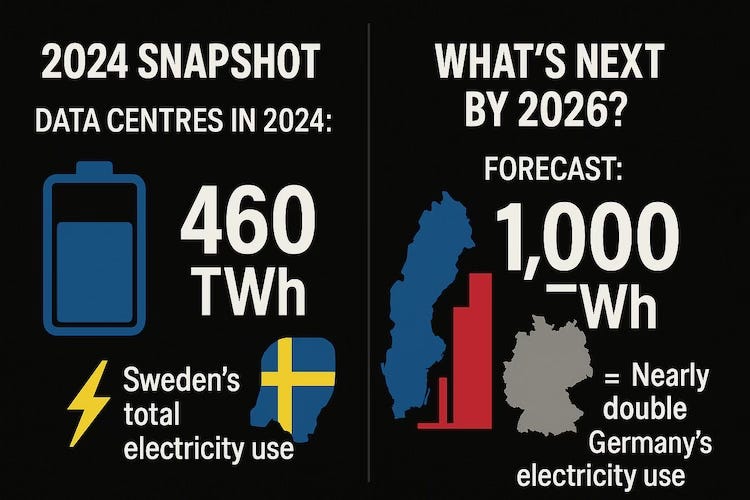
The artificial intelligence boom has captured the world’s imagination, promising revolutionary advances in everything from healthcare to entertainment. However, this progress comes at a steep price. The explosive growth in AI demands an unprecedented expansion of data centers—massive facilities that house the servers powering these technologies. By 2026, global electricity consumption from data centers is projected to reach 1,050 terawatt-hours, equivalent to the energy use of major nations like Japan or Russia. This surge not only exacerbates environmental degradation but also imposes catastrophic economic burdens on states that host these facilities. Electricity prices are skyrocketing, with the costs disproportionately shouldered by average consumers rather than the trillion-dollar corporations profiting from AI. Until governments enforce accountability through robust regulations and taxes, citizens must resist the unchecked proliferation of these data centers to safeguard their wallets and their communities.
Environmental Toll: A Resource-Hungry Monster
AI data centers devour enormous amounts of electricity, water, and raw materials. In 2024, U.S. data centers already consumed about 4% of national electricity, with demand projected to more than double by 2030. Many still rely heavily on fossil fuels, driving millions of tons of CO₂ emissions annually—equivalent to adding millions of cars to the roads.
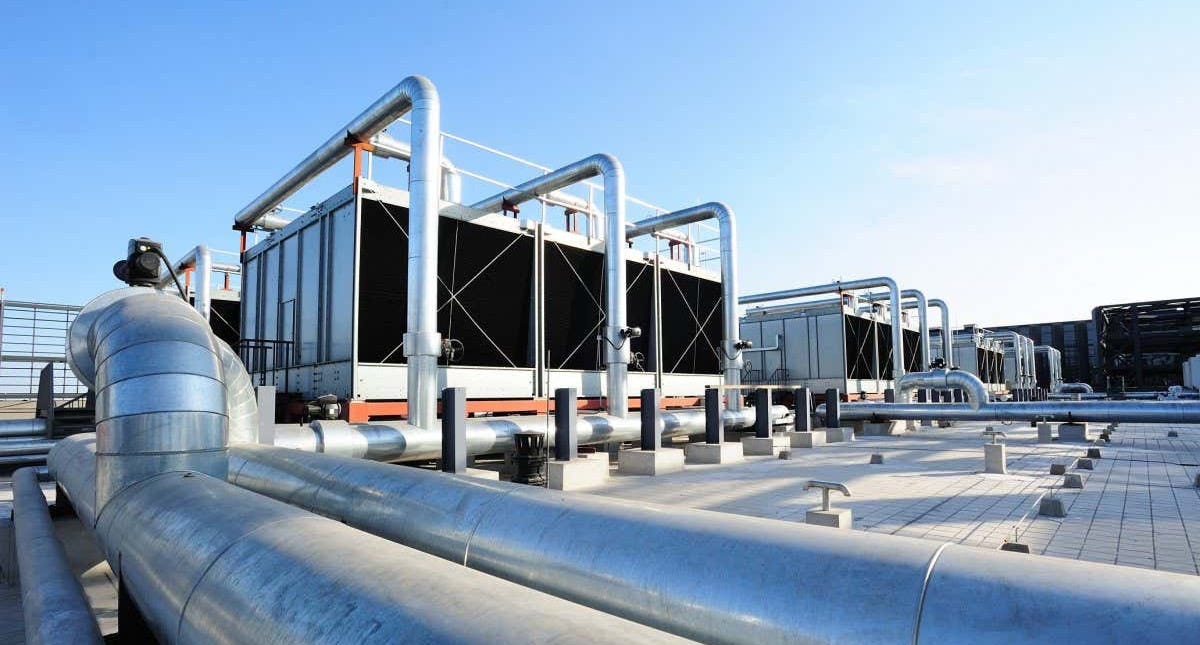
Cooling these facilities is equally intensive: a single hyperscale center can use millions of gallons of water daily, straining freshwater resources in already stressed regions.
Short hardware lifespans (2–5 years) generate massive electronic waste, with AI infrastructure potentially producing millions of metric tons of toxic e-waste by 2030.

Economic Catastrophe for Hosting States: Consumers Foot the Bill
States eager to attract data centers with tax incentives and lax regulations are now facing backlash as electricity prices soar. In regions with high data center concentrations, wholesale electricity costs have risen by up to 267% over five years. Nationally, residential power prices increased 7.4% in September 2025, with further hikes expected through 2026. Data centers could consume 6.7% to 12% of U.S. energy by 2028, driving these increases.
Specific states illustrate the crisis. Virginia, home to the world’s largest data center cluster, saw prices surge 13% year-over-year. Illinois experienced a 16% jump, and Ohio 12%. In the PJM market (spanning Illinois to North Carolina), data centers added $9.3 billion in capacity costs for 2025-2026, translating to $16-18 more per month on average residential bills in Ohio and western Maryland. Even neighboring states suffer; Maryland residents face higher bills due to Virginia’s data centers.
Corporations like Google, Meta, and Microsoft receive tax breaks and incentives, while utilities pass infrastructure costs—new power lines and plants—to consumers. In seven mid-Atlantic states, consumers paid $4.3 billion in 2024 for grid connections benefiting tech giants. This socialization of costs exemplifies corporate corruption, where profits are privatized and burdens public.
Corporate Irresponsibility and the Need for Accountability
Tech giants lobby for subsidies while avoiding accountability. In Georgia, voters ousted utility commissioners who approved rate hikes for data centers. Yet, companies like Meta plan facilities using more power than entire states. This disparity highlights a system rigged against citizens.
A Call to Resistance and Solutions
Citizens must resist data center expansion until governments act. Protests and voting against pro-corporate policies, as in Virginia’s gubernatorial race, show promise. Public opinion is shifting; polls reveal concerns over AI’s environmental impact.
Solutions include:
• Separate Tariffs: Require data centers to pay full grid upgrade costs, as in Minnesota’s HF 16 and Texas’s SB 6.
• Taxes and Fees: Impose energy use taxes or transmission fees to fund renewables.
• Renewable Mandates: Tie incentives to zero-emission power, per California’s SB 57 or the federal SHIELD Act.
• Efficiency Standards: Mandate water and energy efficiency for tax breaks, as in proposed bills in Virginia and New Jersey.
• Moratoriums and Studies: Pause new builds for environmental reviews, like California’s data center energy study.
• Corporate Commitments: Encourage voluntary higher payments, as Microsoft proposed.
These measures can shift burdens back to corporations, ensuring AI’s benefits don’t come at society’s expense.
Conclusion: Time to Act
The AI data center boom is a double-edged sword: innovation laced with environmental ruin and economic injustice. States hosting these facilities risk becoming corporate dumping grounds, with citizens paying the price. Resistance is essential—demand accountability now. Only through collective action and smart policy can we harness AI without sacrificing our planet and prosperity.