

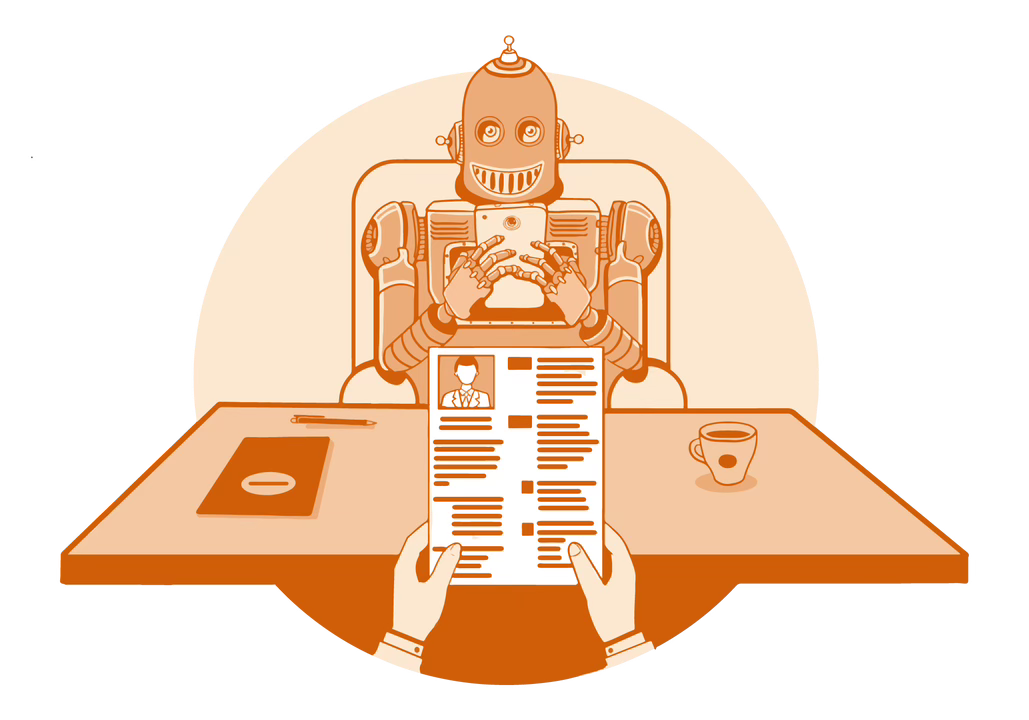
Artificial Intelligence (AI) has transformed HR practices, particularly resume screening, with promises of efficiency and objectivity. However, these systems are inherently biased—exhibiting racism, sexism, and other forms of discrimination. Rather than eliminating human prejudice, AI perpetuates and amplifies it by training on historical hiring data that reflects past societal inequalities. This results in countless qualified resumes—especially from women, racial minorities, and those with intersecting marginalized identities—being rejected without ever reaching a human reviewer, entrenching employment disparities at scale.
The root of this bias lies in the training process. AI models, including large language models (LLMs) used for resume ranking, learn from vast datasets of previous applications and hiring decisions. If historical data shows underrepresentation of women in tech roles or racial minorities in leadership positions—due to longstanding sexism, racism, or unequal opportunities—the algorithm learns to favor patterns associated with dominant groups (e.g., white male names, certain educational backgrounds, or language styles). Proxies for protected characteristics, like names, educational institutions, zip codes, or gendered language (e.g., “women’s”), become signals that trigger lower scores. This creates a vicious cycle: biased data produces biased outputs, which then reinforce future biases if used in ongoing training.
Real-world examples highlight these intertwined discriminations. Amazon’s experimental AI hiring tool, developed in the mid-2010s and scrapped in 2018, downgraded resumes with terms like “women’s” or from all-women’s colleges, reflecting gender bias from male-dominated training data—while similar racial proxies could exacerbate exclusion for minorities. More recently, a landmark 2024 University of Washington study tested state-of-the-art large language models on over 550 real-world resumes and found significant racial, gender, and intersectional bias. Resumes with white-associated names were favored 85% of the time, female-associated names only 11%, and Black male-associated names were never preferred over white male ones—even with identical qualifications. Follow-up research in 2025 confirmed these patterns, showing AI tools systematically disadvantage Black men while sometimes favoring women in certain contexts, yet overall amplifying intersectional discrimination (e.g., Black women facing compounded biases).
The scale of harm is amplified by how many resumes are discarded without human review. By 2025, surveys indicated that 83% of companies planned to use AI for resume screening, with around 21% allowing automatic rejections at various stages without human oversight and 50% relying on AI exclusively for initial filtering. This means millions of applications annually—disproportionately from women, people of color, and intersectionally marginalized candidates—are eliminated algorithmically based on biased scoring. Unlike human decisions, which can be challenged, AI’s “black box” nature often leaves applicants unaware of the discrimination, violating fairness principles and emerging legal standards like those from the EEOC.
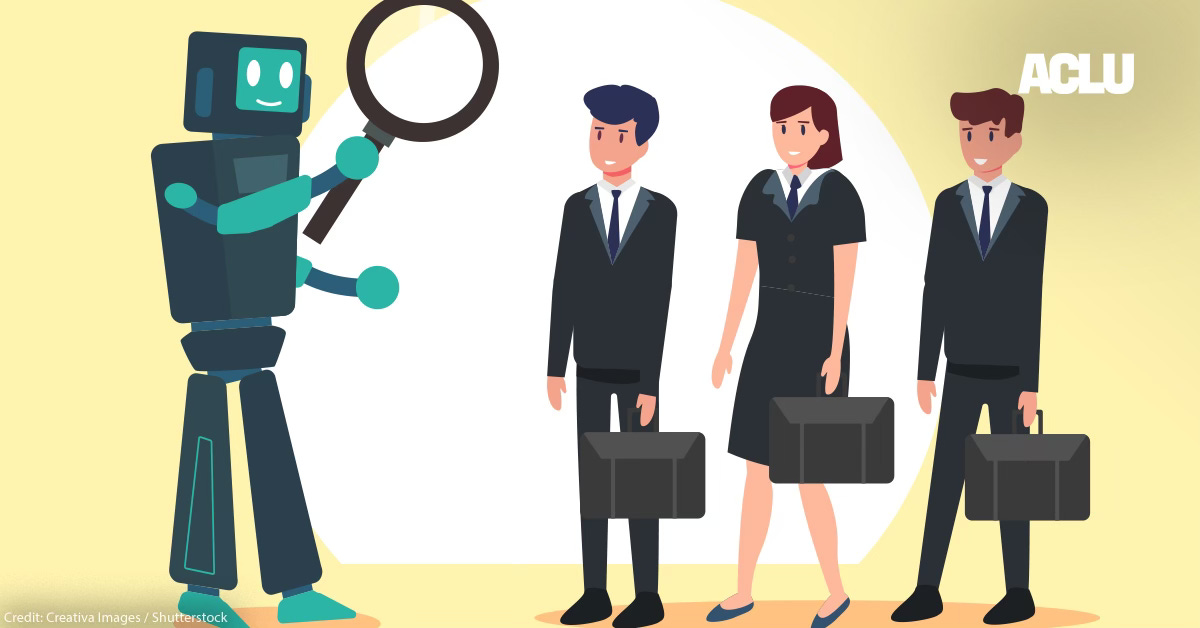
Ethically, deploying such systems is indefensible. They entrench structural inequalities, prioritize efficiency over equity, and evade accountability. While some companies conduct bias audits, the rapid adoption of AI outpaces regulation, leaving vulnerable groups exposed.
In conclusion, AI in HR resume screening is not neutral—it inherits and scales racism, sexism, and other forms of discrimination from biased training data, as evidenced by cases like Amazon’s tool and University of Washington studies. With vast numbers of resumes rejected without human intervention, these tools undermine meritocracy and fairness. True progress requires diverse data, rigorous audits, transparency, and meaningful human oversight—or a fundamental reconsideration of AI’s role in hiring. Until then, it remains a powerful amplifier of inequality rather than a solution.